
Prague Tram 20 route – Best attractions & things to do along the way (2026)
I’ve travelled the new 20 tram route several times and walked over the new Dvorecky Bridge on the opening day early this spring. The new bridge is for trams, cyclists and pedestrians only and has some amazing views towards the Vysehrad Hill.
The new 20 tram route is pretty much the one part of the old no 18 or 17 tram route (on Prague 4 side) and no 20 on the Smichov side, so I knew the route quite well already. But of course, what was fun is to ride over the bridge and being able to cross the river without changing the trams.
The tram no 20 is one of the rescheduled tram lines, that is now using the new Dvorecky Bridge opened early in 2026. The tram starts it’s journey in Prague 4 Modrany and crosses the Vltava river at Lihovar and continues through Smichov and the Lesser Town all the way to Prague 6.
Since it’s a kind of new tram route I thought it would be great to explore it more and put together a comprehensive travel guide to help you to explore Prague like a local. The tram no 20 connects the wild nature of the south, the industrial cool of Smíchov, the classic beauty of the Lesser Town and finally ends at a stunning nature reserve in the north, so there is plenty to see and do along the way.
How to use my self-guided tram no. 20 guide
The tram no. 20 has a pretty long route. It’s perfect if you are staying on the left bank of the Vltava river. Because it passes through major hubs like Anděl, Malostranská, and Dejvická, you can easily use it to pivot between shopping, sightseeing and hiking.
Just like my other guides, don’t try to do it all at once! The southern and northern ends of this line are perfect for nature walks, while the middle section is packed with culture, museums and coffee places.
I’ve included all the stops on the no.20 tram line, so that you know how many stops are in between the sites and know where to get off.
My criteria for including sights
I’ve kept to my rule: everything listed is either right at the tram stop or a very short walk away. I’ve included some of my favourite hidden gems in Smíchov and Dejvice that most tourists overlook while rushing toward the Prague Castle.

Sídliště Modřany
Modřanská rokle
If you are starting at the southern end this stop gives you direct access to the Modřany Gully, which is a beautiful protected woodland valley. There is a long, paved path following the stream which is perfect for an easy walk or even inline skating. It feels completely disconnected from the city, just trees, rocks and the sound of the water.
U Libušského potoka

Poliklinika Modřany
This is the lower part of the Modrany Valley with Libussky Stream. If you want to you can also start your walk from here, but you’d be walking slightly uphill. I usually finish my walk here and have a break in one of favourite cafes – Kavafaktura Modrany. I love they also roast their own coffee and sell different types of teas, so there is always something new to try.
Čechova čtvrť
There is not much left from the historic Modrany, but I always stop at the St.Mary Church on top of a little hill.
It’s not known when the church was exactly built, but the first mention about Modrany was in 1178 when the Bohemian King Sobeslav II gave the Vysehrad monastery a couple of fields and vineyard in area called Modrany. There is also a little park around the old bell tower and good view towards Modrany
Nádraží Modřany
Modřanská škola
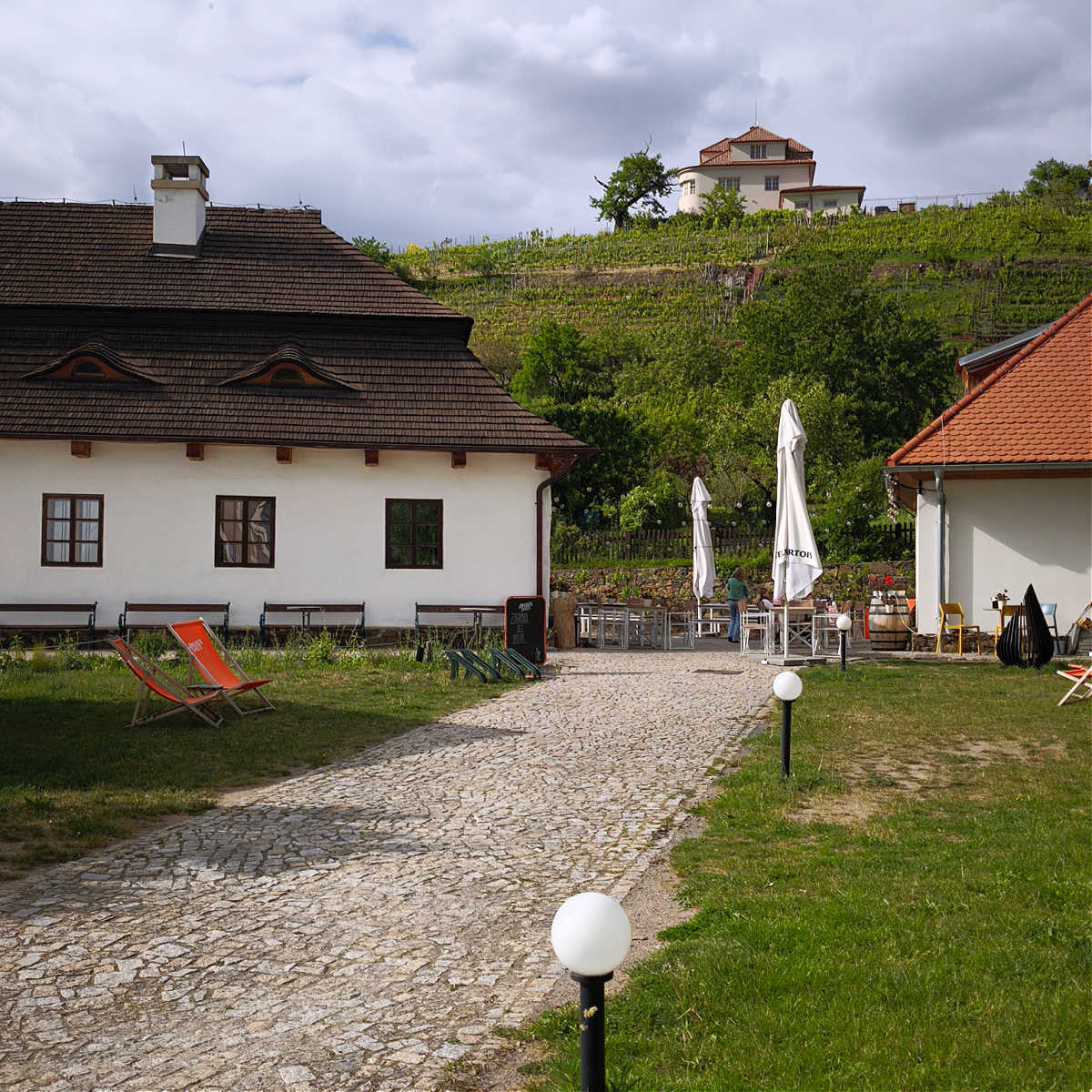
Just a short walk from this stop is the Modřany Vineyard (Modřanská vinice) planted on a steep slope. It’s one of the few historic vineyards left in this part of Prague and it is a minor miracle that it has been saved.
It has a fascinating history dating all the way back to 1178 when it was gifted to the church by a Bohemian king. For centuries, it was known as the “Archbishop’s Vineyard,” but disaster struck during the Great Frost of 1929, which destroyed nearly every vine. For decades, the hill was just an overgrown mess of weeds and fruit trees.
But in 1987 a group of local enthusiasts decided to bring it back to life. They spent years clearing the land by hand and rebuilding the stone terraces. It’s amazing to see that the original Vineyard House from 1801 is still standing and it’s being used a cafe and a community hub.
It’s a very peaceful here, perfect for a quiet glass of wine. Because the plots are looked after by local gardeners who produce wine in tiny batches, you’re tasting something truly rare that you won’t find in any supermarket!
Belárie
Černý kůň
Nádraží Braník
This is a treat for train lovers! From this station, you can board the legendary “Sázava Pacific” (Posázavský Pacifik) train. It’s a historic rail line that winds through the dramatic cliffs and forests along the Sázava River. We always used this train stop to get to our cottage and also to explore the countryside. I love that you can hop off at almost any stop on the line for incredible forest walks before taking the train back to the city.
Pobřežní cesta
There is a little green park with paths that stretch along the Vltava River all the way to Vysehrad. The tram runs on the main road, so you can hop back on any time you like.
Přístaviště
Just a few minutes walk from the station, you’ll find the Evangelical Church of Czech Brethren (ECCB). This is such a unique building because it was actually built by the congregation themselves just after the Second World War. Construction started in 1947 and because building materials were so scarce, they used timber from an old barracks! It has a wonderful, warm wooden interior that feels more like a mountain lodge than a typical city church.
The community worked together during their weekends and evenings to create this “provisional” church, but because it was build with such love, nobody wanted to replace the church with a more permanent building afterwards.
I also use this tram stop to start walks on top of the Branik Rocks. But before you do that, I suggest, you head over to Branicka Street first to get the most amazing ice-cream ever from Zmrzlinarna Branik. They have different flavours every few days and they are all amazing!

Dvorce
Get off here to visit Žluté lázně (Yellow Spa), a huge riverside area that feels like a beach resort right in the middle of Prague. It’s one of my favourite places to soak up the sun!
You can go for an outdoor swim in the Vltava River, or if you prefer to stay dry, there are plenty of bars, restaurants and grassy areas to relax on. There is always something going on, from live music and DJs to beach volleyball and pedal boat rentals. It’s a very lively spot with a great holiday atmosphere, especially during the long summer evenings.
Lihovar (stop on the bridge)
Keep your camera ready! As the tram travels through this area you get a fantastic view of the new Dvorecký Bridge.
From the tram windows, you can look across the Vltava to the historic Vyšehrad Hill with the twin spires of the Basilica of St. Peter and St. Paul standing tall over the river. It’s one of the best non-touristy viewpoints in Prague, which has only just become available!

Lihovar (on Smichov side)
“Lihovar” means distillery and you’ll see the tall chimneys of the old spirits factory nearby. This area is undergoing a huge transformation. It’s becoming a bit of an artsy, industrial hub.
If you like gritty photography and seeing how old Prague is becoming new again, this is a cool spot to hop off and wander for 10 minutes.
MeetFactory. It’s about a 5-10 minute walk away behind the train tracks! It’s a contemporary art centre founded by artist David Černý (the guy who did the moving Kafka head). You can see giant cars hanging on the side of the building—it’s very quirky and has a great cafe and gallery.
On the other side (closer to the tram stop) you can also visit the new David Cerny Musoleum with models and smaller versions of all of his statues. There is also great cafe with outdoor seating.

Just across the water from this stop is the Císařská louka (Imperial Meadow). People often mix it up with a different island further north, but this one has a much more “royal” history!
Believe it or not, back in 1297, this very place hosted the coronation feast of King Wenceslaus II. Back then, it wasn’t actually an island; it was a broad riverbank that only became separated from the mainland in the early 20th century when they dug out the Smíchov harbour.
By the 19th century, it had become a favourite weekend escape for people living in dusty Prague centre. It was a real hub for social events, horse racing and even gold panning!
It holds a very special place in Czech sporting history, too, as it was the site of the very first football derby between the two famous rivals, Slavia and Sparta Prague, in 1896.
Today, it’s a lot more relaxed with marinas and golf areas, but it’s a perfect detour if you want to stand where medieval royalty and the first local football stars once did.
Smíchovské nádraží
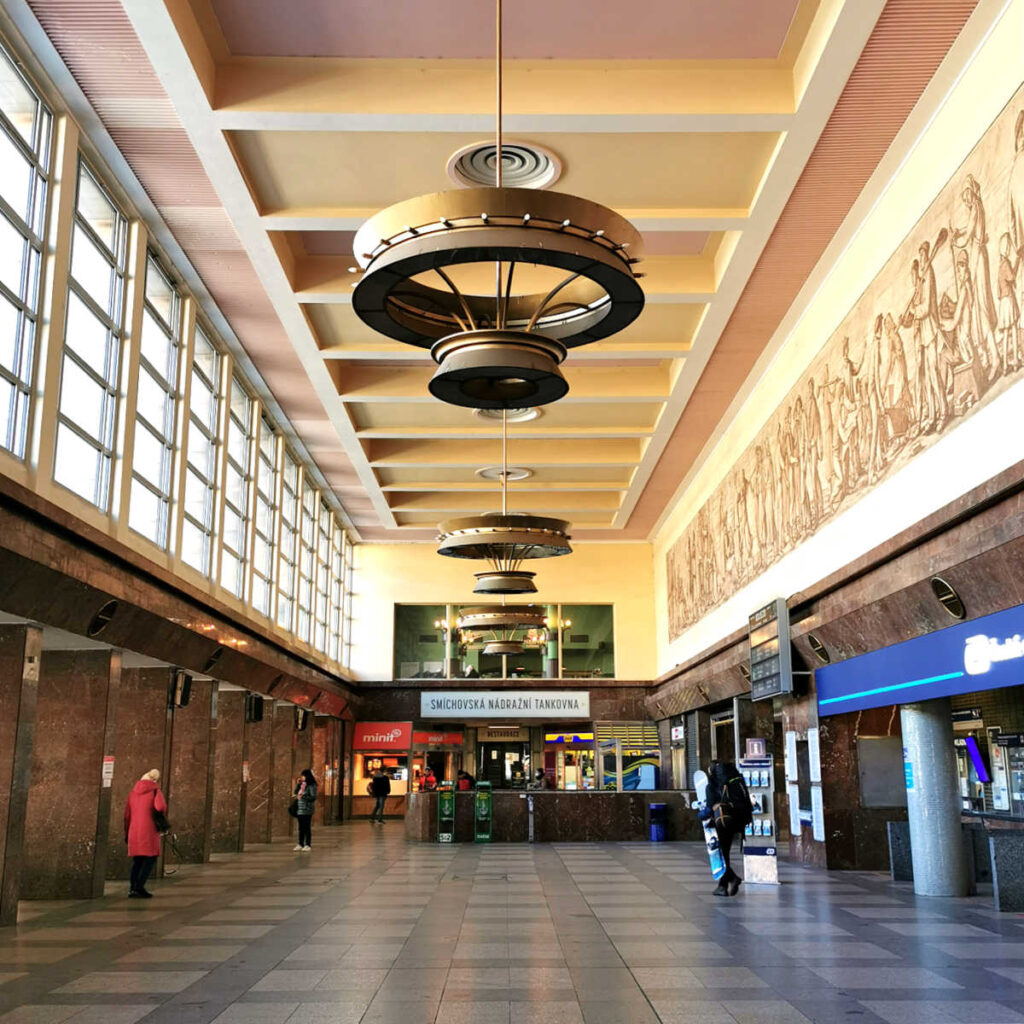
This is a large transport hub. If you want to head out of the city for a day trip, this is the place to do it. You can catch trains to the famous Karlštejn Castle, the brewing city of Plzeň, or the spa towns of Cheb and Mariánské Lázně.
In front of the train station, you’ll find regional buses that head out to the Brdy area (towns like Příbram, Dobříš, or Mníšek pod Brdy) with great walks in deep woods.
Plzeňka
Na Knížecí
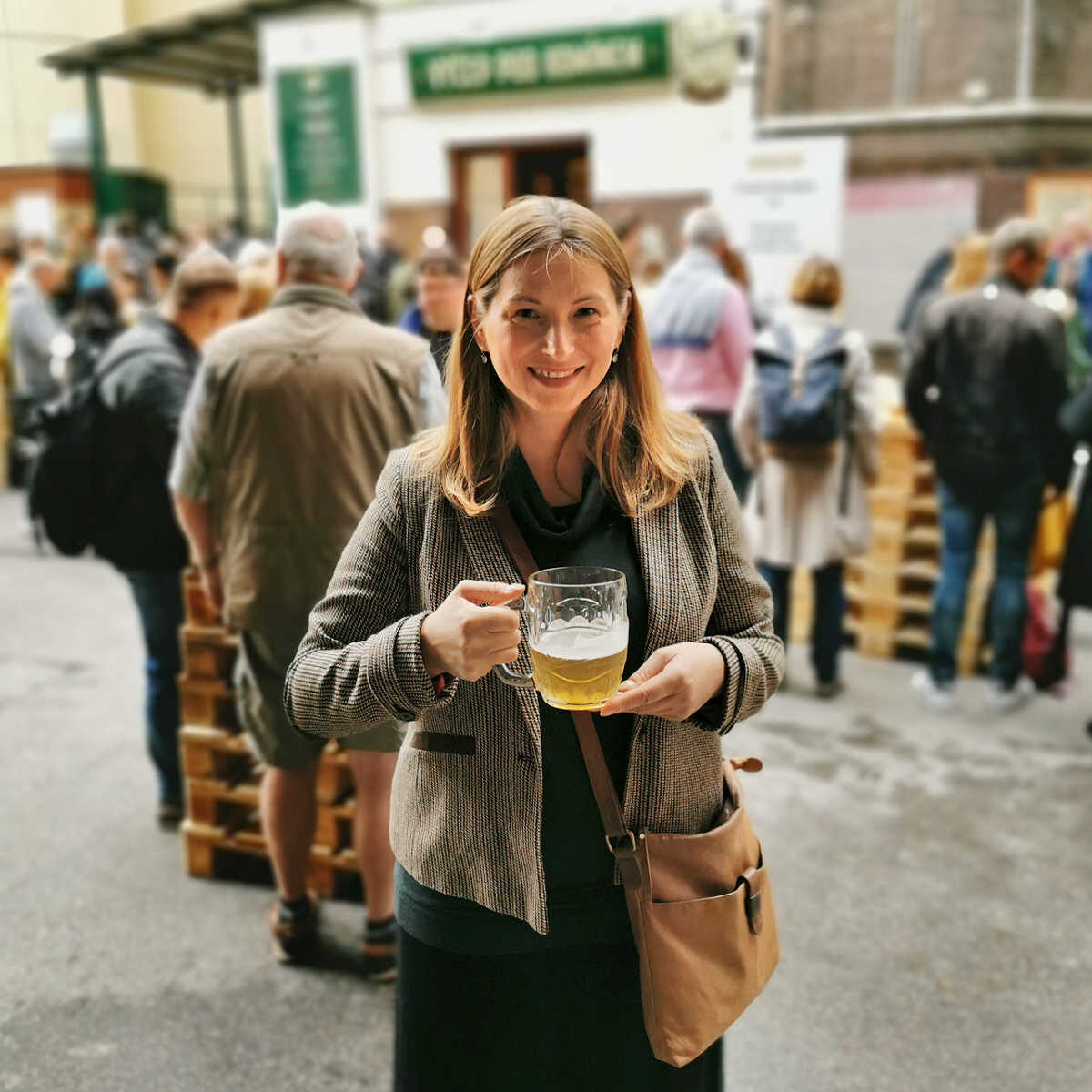
This area has changed so much recently! It has been transformed from a dusty goods train station into a really trendy area. If you are looking for a caffeine fix, there are some great new cafes (including Zrno, Zrnko, Tisse, Cafe City and GoFrancin) on the ground floors of the sleek, newly built flat developments.
Just a short stroll away is the Manifesto Market, a fantastic outdoor food and event space where you can grab gourmet street food and cocktails in a very cool, modern setting.
And, of course, you can’t ignore the smell of hops in the air, because the famous Staropramen Brewery is right here. I highly recommend taking one of their brewery tours to learn about the history of Smíchov beer (and to enjoy a fresh tasting at the end!).
Na Knizeci tram stop is also perfect for walking to the far side of Smichovska Naplavka on the Smichov side. It’s the slightly quieter, but equally brilliant sister to the main Naplavka on the other side of Vltava river.

Anděl
This is the bustling heart of the Smíchov district. There is a huge modern shopping centre (Nový Smíchov) right as you step off the tram, along with two large cinema complexes if you fancy a movie.
I especially love the regular farmer’s markets held in the pedestrian zones nearby—it’s a great place to grab a local snack or some fresh seasonal fruit.
Just a short stroll from the busy shopping hub, you’ll find Portheimka, a beautiful Baroque summer palace that feels like a quiet oasis in the middle of modern Smíchov. It was built back in 1728 by the famous architect Kilian Ignaz Dientzenhofer as a private residence for his own family, which is why it’s so elegantly designed! Originally, it sat in the middle of a massive, sprawling French garden that reached all the way to the river. In the 19th century, it was bought by the Portheim family, who were famous industrialist textile manufacturers, and that’s how it got the name we use today.
Even though much of the original garden was lost to the surrounding city developments, the house itself and a small park remain. Today, there is an exhibition space on the first floor and lovely cafe on the ground floor (perfect for breakfast or afternoon cocktail!).
The exhibitions are regularly updated and if you see it open it’s definitely worth a peek if only to see the stunning painted ceilings and imagine the Dientzenhofer family enjoying their summer afternoons there.
Arbesovo náměstí
There is a little square with a park and a residential streets lined with quite a few cafes, bakeries and shops. The Mezi Radky cafe, Antoninovo Pekarstvi or Artic Bakehouse is here, so Smichov is officially going up in the world!
Švandovo divadlo
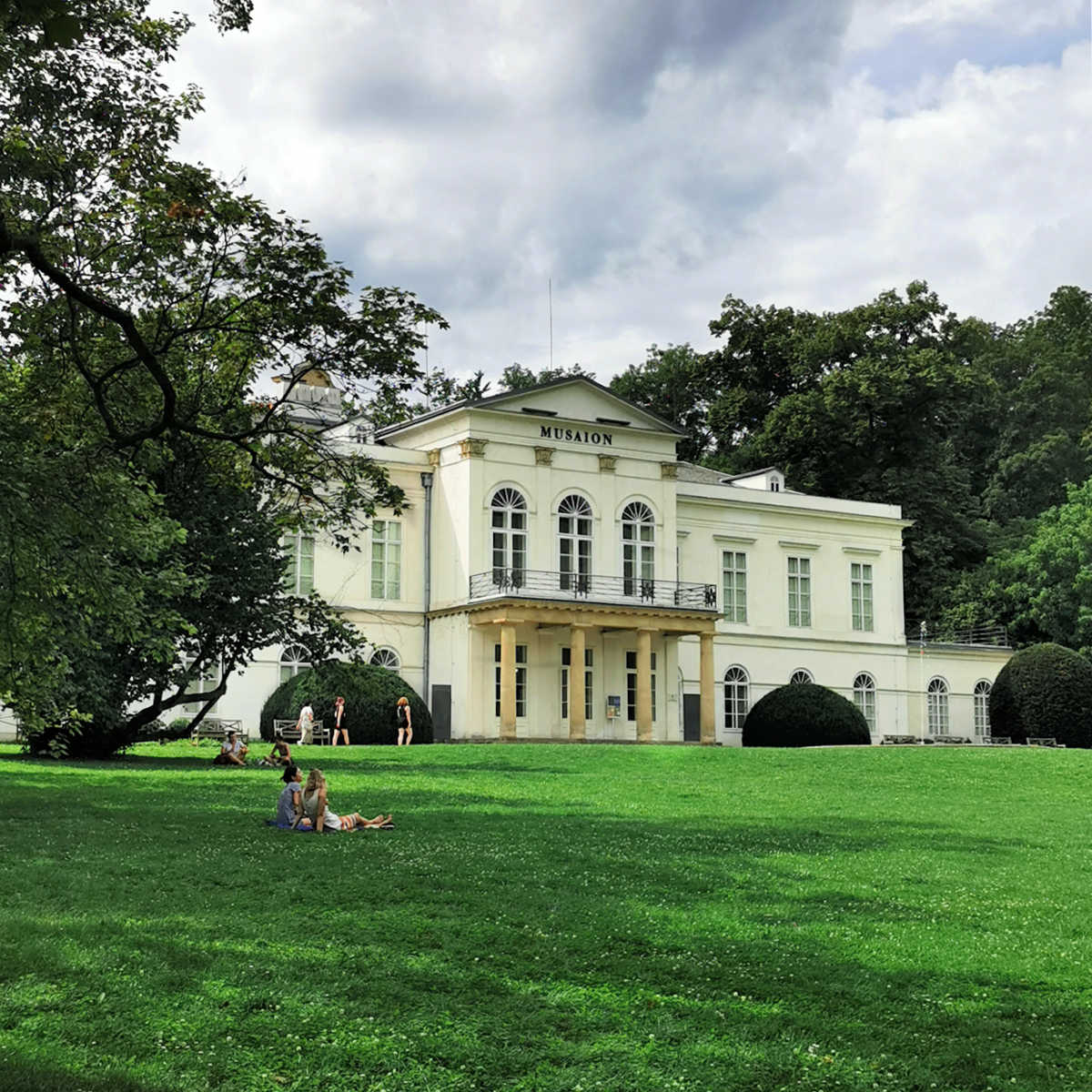
Culture fans should stop here! The Švandovo Theatre is one of the oldest in the city and they frequently put on plays with English subtitles. Just a few steps away is the entrance to the Kinský Garden. If you walk up the hill, you can visit the Musaion (Folk Museum), which is housed in a beautiful summer palace and focuses on traditional Czech regional culture and crafts.
I really liked the sweet poppyseeds rolls from the new 55 Bakery, which has just opened opposite their cafe place called ‘The Spot‘ (also fabulous for breakfast or casual lunch).
Újezd
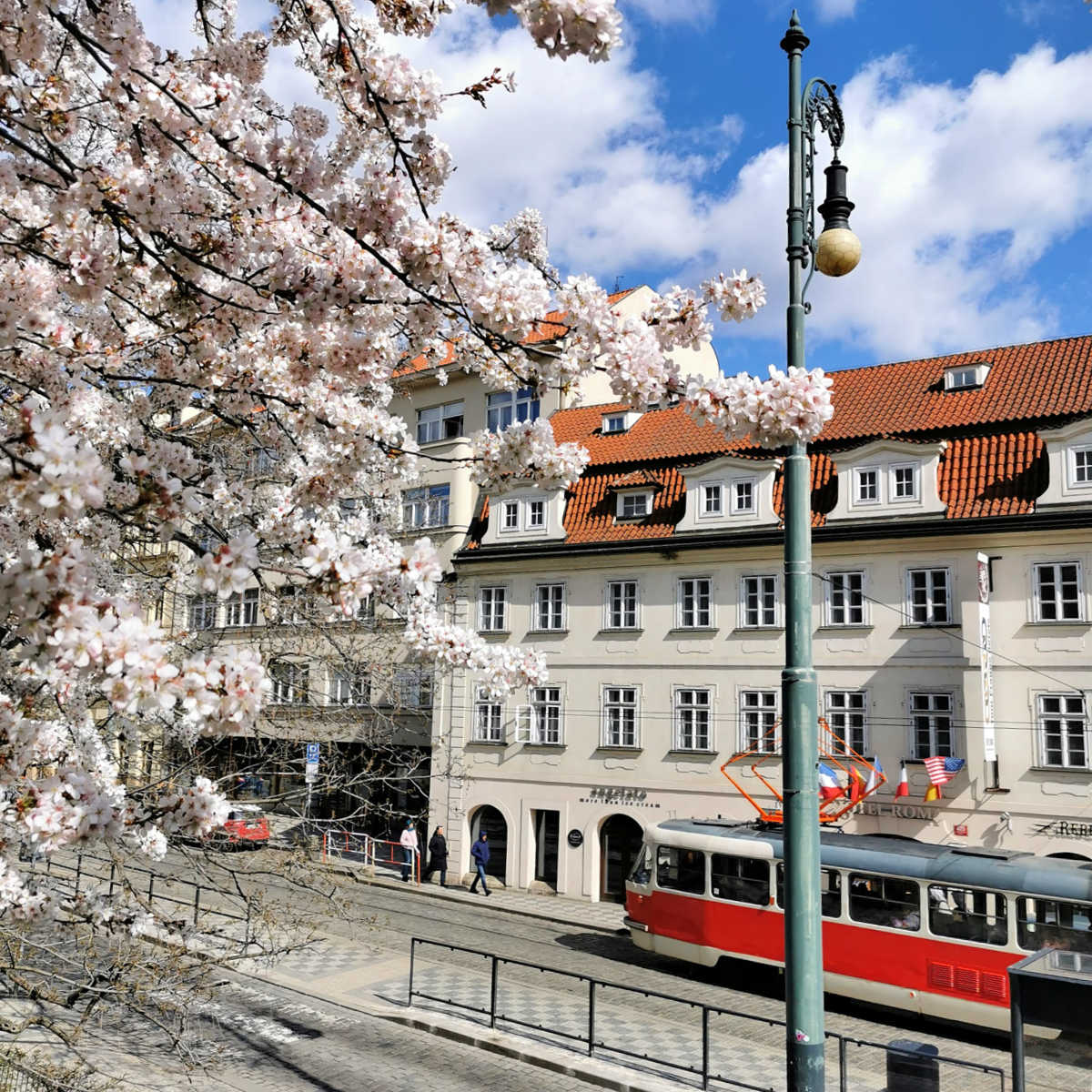
This is the gateway to Petřín Hill. You can take the funicular up or walk through the winding paths. There is also moving and slightly haunting Memorial to the Victims of Communism at the base of the hill.
The top of Petrin Hill has amazing views of Prague and you can either walk towards Prague Castle following the Hunger Wall or the other way to Kinsky Garden and the National Folk Museum.
There is, of course, the Petrin Lookout Tower to explore, Mirror Maze Castle, Rose Garden or Stefanik Observatory on the top of the hill, or you can just enjoy a light lunch in a couple of different coffee places on Petrin Hill or Nebozizek – a pretty restaurant half-way up the hill between Ujezd and Petrin Hill.
You can also get off here to taste great ice-cream at Angelato (one of my favourite ice-cream places in Prague)

Tyršův dům
This stop is the headquarters of the Sokol movement (the historic Czech physical education organization). Be sure to walk to the back of the buildings to see the new “Věra” art installation by David Černý, which is a tribute to the famous gymnast Věra Čáslavská, who used to train here at the Sokol large gym room at the back of the building.
From here, it’s a tiny walk across the Čertovka (Devil’s Stream) to reach the peaceful Kampa Island.

Malostranské náměstí
You can walk up the famous, cobbled Nerudova Street directly to the gates of Prague Castle, or head in the opposite direction to walk across the Charles Bridge.
If you like to see this part of Prague from a great height, visit the St. Nicholas Bell Tower (by the side of the beautiful St. Nicholas Church). You will not only get great views, but also see a good example of how towers were operated in olden times.
You’ll see two different flats of the people who looked after the tower and there is even a better surprise on the top of the tower. In the 1950s the Czech secret service used the tower to watch and listen from.
U Jezulatka (on the returning way)
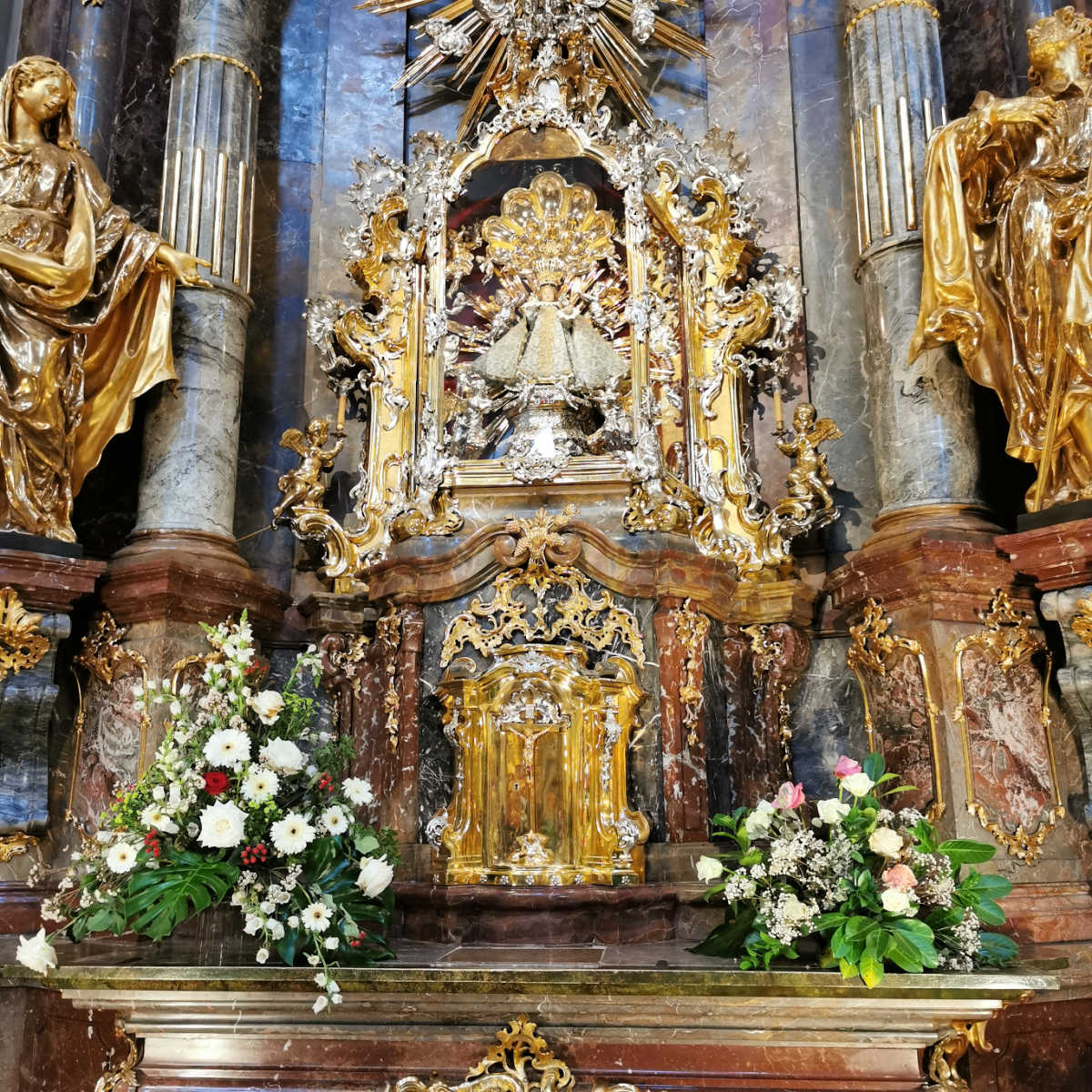
Visit the church of Infant Baby Jesus for quiet contemplation and great baroque church art and decorations.
I always stop at the coffee cart at the front of the church run by the church staff. The coffee is great, the money goes to a good cause and I love the name! The coffee cart is called ‘Bozi Kafe’, which means in Czech ‘God’s coffee’ but ‘Bozi’ also means ‘amazing’ or ‘superb’ in Czech slang).
If you walk a few steps back on the same side of the road, you find the entrance to the beautiful Vrtba Garden hiding behind townhouse gates. It’s a very pretty garden designed in several layers in an Italianate style with flowering plants, trees and decorated with statues.
There is a moderate entrance fee to pay, but I think it’s worth it as you can also get a brilliant view of Prague Castle and the centre of Prague from the top layer of the garden.

Malostranská
See the Vojanov’s Gardens with peacocks just around the corner, visit Kafka’s Museum, Gingerbread House shop and walk towards the Charles Bridge to explore Kampa Island.
You can also walk up the old Castle stars to Prague Castle (which is quite a steep hike!) or stay on the same level and explore the lower Prague Castle Gardens (moderate entrance fee) or the Furstenberk’s Garden (low entrance fee) or Wallenstein Garden (free to enter).
There are also a couple of large art galleries very close to the Malostranska stop. The more traditional one is Valdstejn’s Art Gallery, which is one of the best art galleries in Prague (in Valdstejnska Street, as you walk through the little park next to the tram and underground station.
The second one (in a re-built old electric transformer station) is the modern Kunsthalle Gallery recently opened, but already getting a great reputation for innovative building design, interactive exhibitions and unusual ways of displaying art.
The gallery coffee place has a great selection of coffees, pastries and sandwiches and absolutely amazing view of Prague Castle from the terrace.
Chotkovy sady
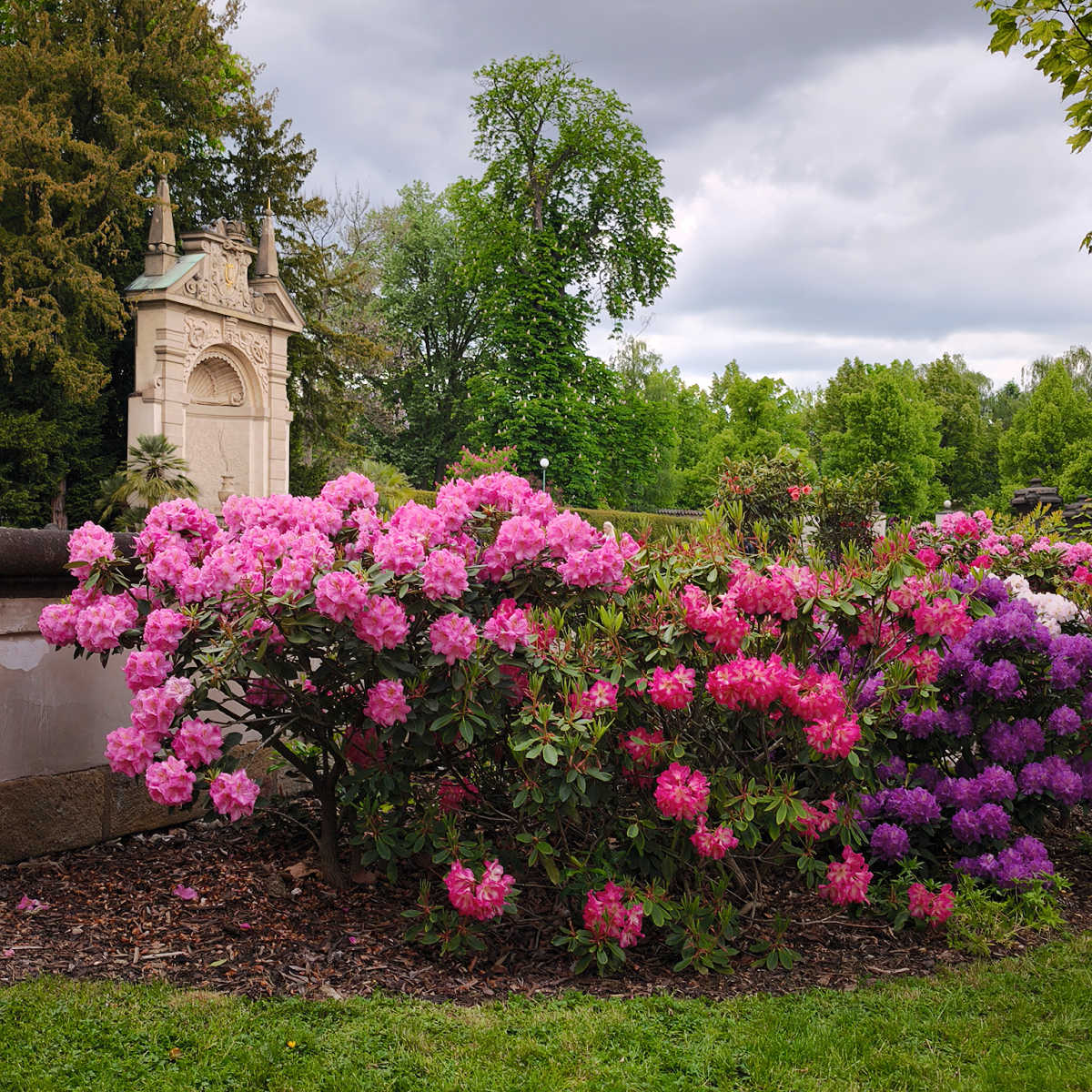
After the tram climbs the hill behind the Castle, it stops at the oldest public park in Prague, the Chodkovy Gardens (one of many Prague’s parks and green spaces), which leads into the Royal Gardens. It’s much quieter here than the main Castle gardens on the other side of the castle (Na Valech).
There is a beautiful monument to the writer Julius Zeyer that looks like a grotto with statues emerging from the rocks. It’s very romantic and usually very peaceful.
You can also visit famous sculptor Bilek’s Villa and museum, where you can see his work and get insight into his family life.
If you cross the road you can continue to walk on the top of the hill through Letna Park to the Technical Museum or Farming Museum.

Hradčanská
This is a fantastic jumping-off point for two very different walks. If you head uphill, you’ll find a much quieter, less-congested route into the Prague Castle grounds.
Alternatively, you can walk down through the Bubeneč district towards Stromovka Park. I love this walk because you pass through an area filled with grand, beautiful villas and foreign embassies, it’s easily one of the most prestigious and architecturally stunning neighbourhoods in the city.
Vítězné náměstí
Locals call this “Kulaťák” (The Roundabout). On Saturdays, one side of the square has one of the best farmer’s markets in Prague. It’s huge! You can get amazing burgers, fresh cider and local cheese.
The architecture around the square is also quite imposing, it’s built in the “Stalinist Neoclassical” style, which feels very different from the Baroque centre.
Dejvická
Thákurova
Hadovka
This stop is close to a long, narrow park that has been filled with various modern art installations. It’s a great place to stretch your legs and see some contemporary sculpture while the tram continues its journey through the leafy residential districts.
Na Pískách
Bořislavka
There is a brand new shopping and office complex right here with some interesting modern architecture.
Sídliště Červený Vrch
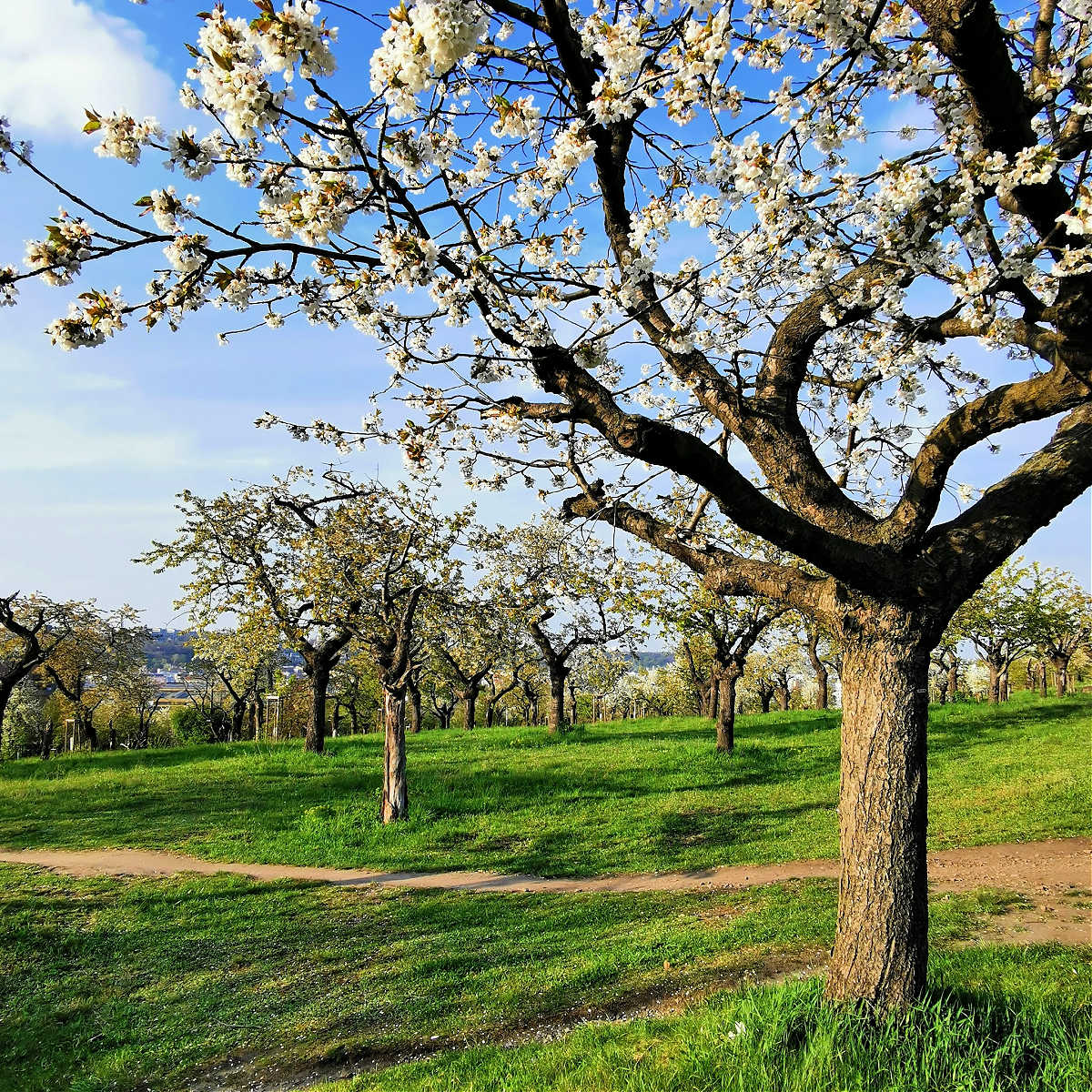
This stop is right in the middle of modern housing, but if you walk up through the houses, the path takes you to an old cherry orchard on the hill. I like to come here in the spring, when you get the most amazing cherry blossoms. And when the cherries are ready, you can come back and pick your own!
If you follow the paths down the steep hillside, you’ll find yourself entering the back end of the Šárka Valley. It’s a bit of a climb, but the view over the rocky landscape is worth the effort.
If you don’t want to walk down to Sarka Valley, just carry on walking around the Cerveny Vrch (Red Hill) through a forest and then walk down through another old orchard to get to Cerveny Vrch tram stop.
Červený Vrch

Nádraží Veleslavín
If you are heading to the airport, this is where you hop off to catch the 119 trolley bus to Václav Havel Airport. It’ is also a very busy hub for local buses heading out to the small towns and villages northwest of Prague.
Nad Džbánem
Vozovna Vokovice
Divoká Šárka
Divoká Šárka (Wild Šárka) is a large nature reserve with deep valleys and rocky hills. You can go for easy walks along the stream in the valley or if you’re feeling brave, hike up the rocky cliffs for a panoramic view. There’s even a public swimming pool, that is fed by a cold spring and it’s refreshing even in the height of summer!
Vlastina
Sídliště Na Dědině
Ciolkovského
The very end of the line! You are now in the Dědina housing estate. From here, you are actually very close to the airport (you’ll see the planes flying low!). It’s a quiet residential end to a very busy line, and a great place to see the functionalist “panelák” (panel house) architecture that is so common in Czech history.
This blog post was originally written on 5 August 2026 and last updated on 5 August 2026


