16 Historic Towns Perfect for a Day Trip from Prague + Practical Local Tips
I love exploring Czech Republic and some of my favourite days have started with a coffee at Prague Main Train Station and a ticket to a town I hadn’t seen in a while. There are so many fascinating towns, that are part of our Czech history, whether they are an old silver-mining towns, Hussite army strongholds, hop-growing towns or beautiful spa towns.
Since I live in Prague, all the towns on this list are within 1-2 hours by bus or train from Prague to make them a perfect destination for a day trip.
This is also the reason, why I’ve not included the super popular ones, like Cesky Krumlov, Telc or Slavonice, which are well over 2-3 hrs one way. But don’t worry I’ve compiled them into another fabulous list of towns you can visit on a longer day from Prague.
I love traveling on local trains and buses, because they are affordable and reasonably easy to use.
Below you’ll find what I think makes each town worth the trip, what I enjoyed (and what I didn’t), and my personal tips so you can make the most of your day.
1. Kutná Hora
Back in the 14th century, Kutná Hora was one of the richest towns in Europe. Silver from its mines filled the royal treasury and the Prague groschen, minted here from 1300, was used across Central Europe. For a while this town competed with Prague itself!
It’s no surprise, that the whole historic centre became a UNESCO World Heritage Site in 1995, together with Sedlec. I like that Kutna Hora is very easy to get to from Prague by public transport, I sometimes visit just for 1/2 day.
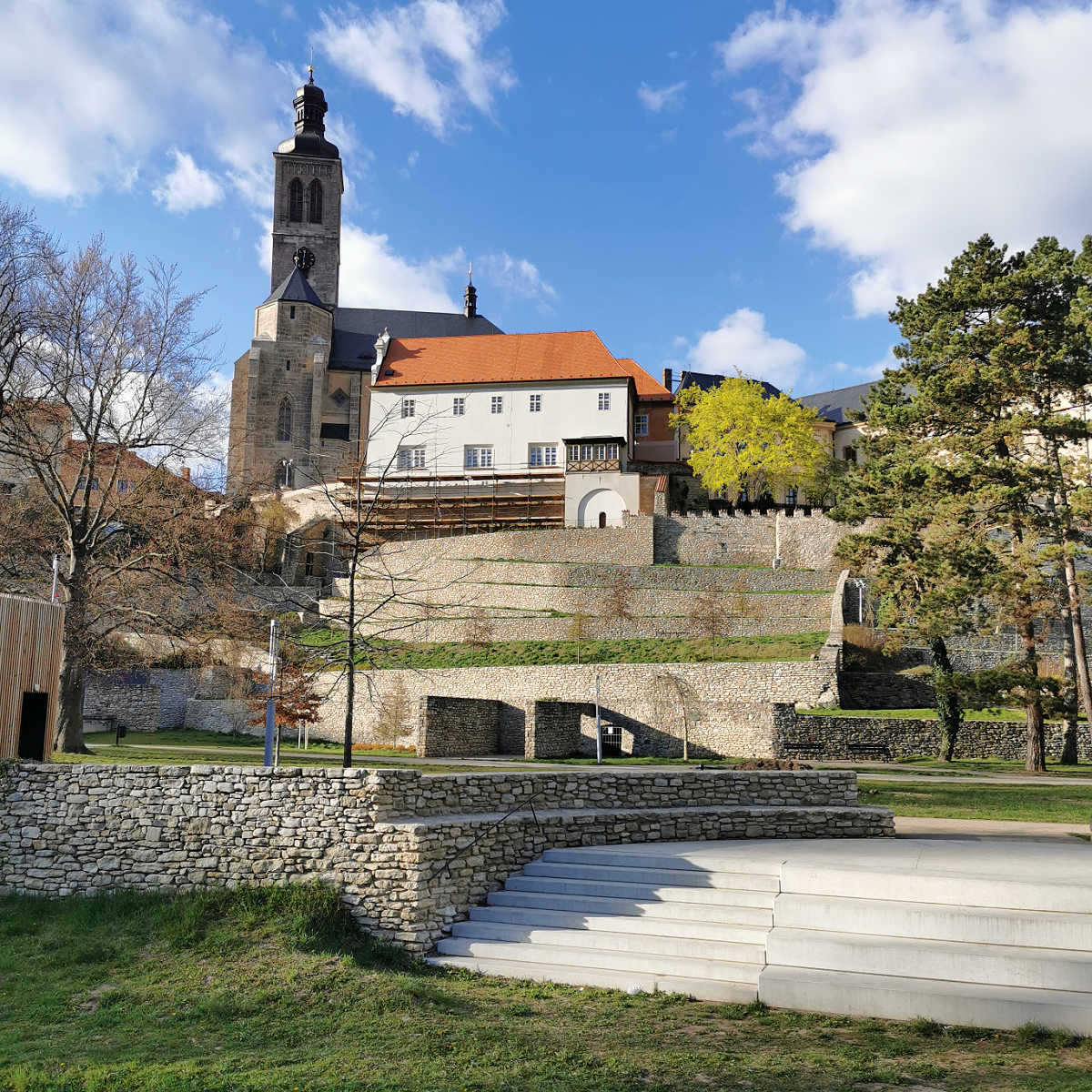
You can’t miss the large St Barbara’s Cathedral on top of the hill. Building started in 1388 and was only completely finished in 1905. The cathedral was funded by the miners, which just gives you an idea how rich the town once was.
I love the walk up to the cathedral along the street lined with baroque statues. When you reach the top, the view over the rooftops and the valley is amazing.
Don’t miss the little vineyard on the slope just before the cathedral. I tasted the local wine here and it was really good!
Most people visit Kutna Hora to see the Sedlec Ossuary, which is a small chapel decorated with the bones of around 40,000 people, including a chandelier made of bones.
It’s fascinating place, if a bit eerie. Be aware that you can no longer take photos inside. Honestly, I think that makes the visit better, as people actually look around instead of queuing for selfies.
- My local tip: If you want to see the Sedlec Ossuary, take the train from Prague and visit the ossuary first, as it’s close to the station. From there it’s about a 20-minute walk to the historic centre. Before you head home, stop at the chocolate museum and shop called Lidka (Komenskeho Namesti 18). It’s a great little place with free museum and plenty of delicious chocolate.
- How to get there from Prague: 1 hour by direct train from Prague main station to Kutná Hora
2. Kolín
Kolín was a bit of a find for me. Most people go straight past it on the train to Kutná Hora and I think that’s a shame. The town grew rich on trade along the Elbe and in 1757 the Battle of Kolín was fought nearby, Frederick the Great’s first major defeat in the Seven Years’ War.
What surprised me most was the Jewish quarter. It’s one of the best preserved in the country. Kolín had one of the most important Jewish communities in Bohemia, second only to Prague.
The synagogue from 1696 is now a museum and I really enjoyed learning about the local Jewish history there. The stories of the families who lived here are moving and well told. The old Jewish cemetery nearby is also worth a look.
Up on the hill above the main square, the Church of St Bartholomew has a Gothic choir designed by Peter Parler, the same architect who worked on St Vitus Cathedral in Prague. The gardens around the church have been newly restored and are beautiful now, with lovely views over the town.
- My local tip: The regional museum at the main square has often interesting exhibitions. I saw a ‘How we lived in 1970s’ exhibition there, which was really well done. I loved my coffee at the ‘Cafe v Troube’ (Rubesova 59) and the deserts there look always delicious!
- How to get there from Prague: Around 45 minutes by direct train from Prague main station.
3. Mělník
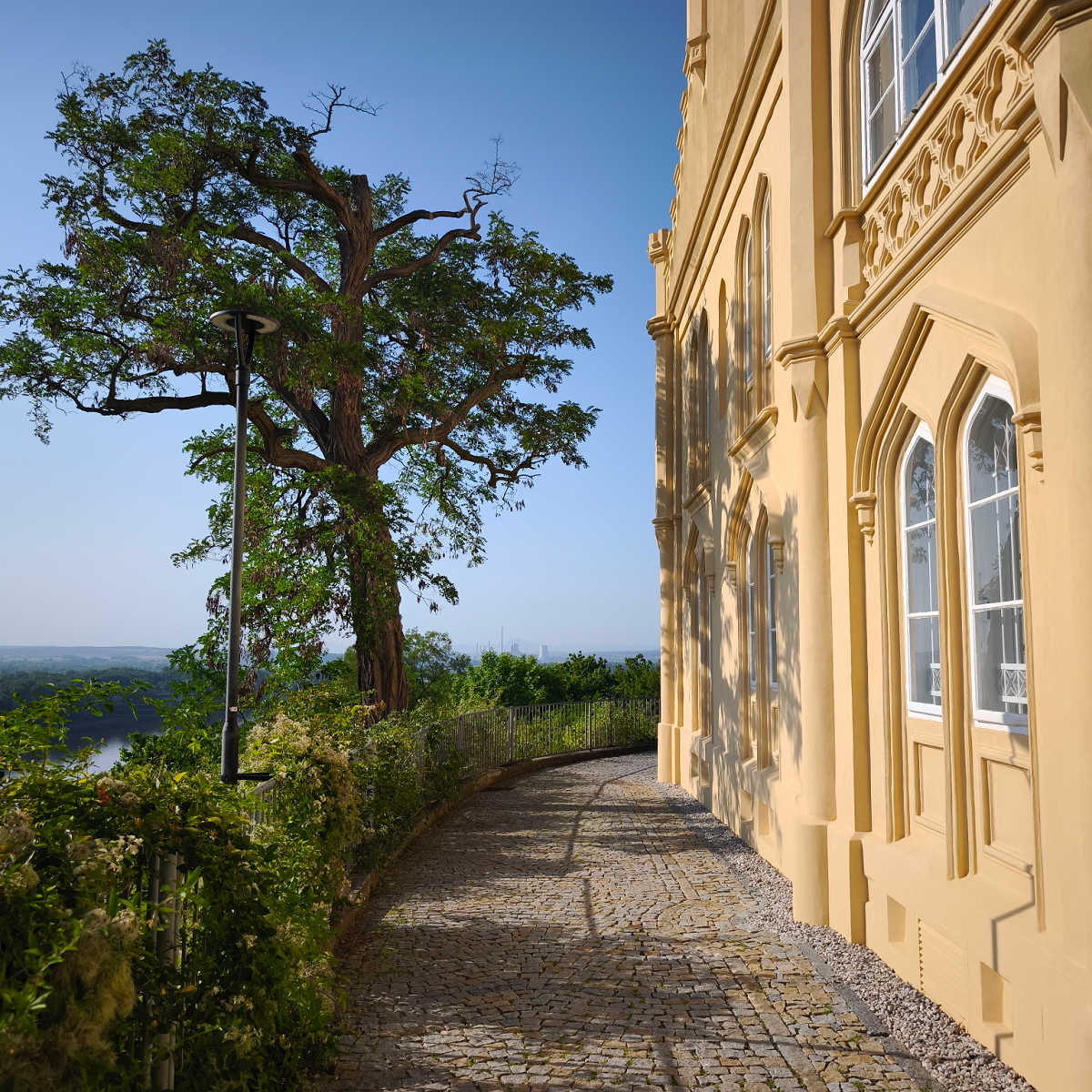
Mělník is on a hill above the point where the Vltava flows into the Labe (the Elbe). From the top of the castle you get a fantastic view of the two rivers joining together. It’s one of my favourite views in the whole country.
The town has really interesting royal origins. Princess Ludmila, grandmother of St Wenceslas, is linked to the castle here and for centuries Mělník belonged to Bohemian queens.
Wine is another reason, why I like to visit. Legend says Charles IV brought Burgundy vines here in the 14th century and vineyards still cover the slopes below the castle.
I enjoyed visiting the castle and taking the tour of the wine cellars underneath. The castle and the vineyards belong to Lobkowicz family and you can also taste the vine in their castle cafe.
Next door, the Church of St Peter and Paul has an ossuary in its crypt, with bones arranged a bit like in Kutná Hora. It’s smaller, but interesting and much quieter.
- My local tip: The Regional Museum has a good exhibitions on local history with great courtyard cafe and lovely hidden garden.
- How to get there from Prague: About 40 minutes by direct bus from Prague Ládví.

4. Žatec
If you’ve ever enjoyed a Czech lager, you’ve probably tasted Žatec. Saaz hops have been grown here for centuries and are prized by brewers around the world. In 2023 the Zatec town and its hop landscape became a UNESCO World Heritage Site and I think it’s well deserved.
It’s super interesting to learn about hops and brewing here. The Hop Museum and the Temple of Hops and Beer explain the whole process, and you can climb the Hop Lighthouse for a view over the town.
The old hop warehouses and drying kilns give the streets a character you won’t find anywhere else in Czech Republic. I also liked the actual Zatec brewery, which is a bit hidden behind the Zizka Square.
Žatec also has a beautiful synagogue from 1872, one of the largest in Bohemia. It was newly restored and it’s lovely to see it brought back to life after years of neglect.
If you want to see how people lived the olden times, the Mederuv Dum (Medera House) is a great example of that and I really liked how it’s been restored. They even run occasional baking courses in traditional cooking ranges!
- My local tip: On the stairs leading down from the historic town to the train station, there’s an old tobacco shop. People used to pick up their newspaper on their way down. It’s been now restored and is used for various events (but sadly not as a newstand anymore).
- How to get there from Prague: Around 1 hour 30 minutes by direct bus from Prague – Zlicin
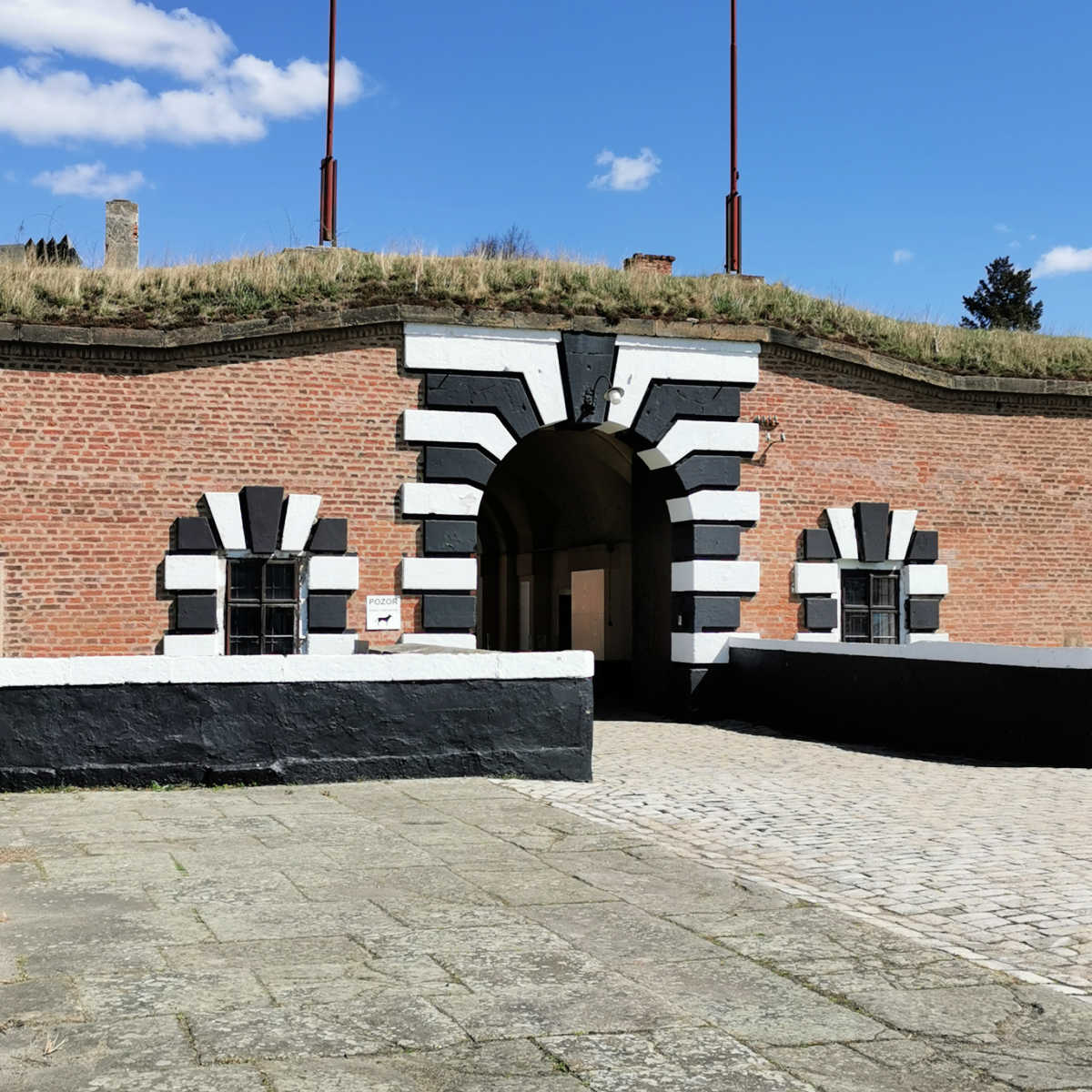
5. Terezín
This is a very different town than the others, but since it has such a unique history I thought I’d include it too.
Terezín was built as a fortress town in 1780 by Joseph II and named after his mother, Maria Theresa. During the Second World War, the Nazis turned it into a ghetto and transit camp. Around 140,000 Jews passed through, and most were later sent to the war camps in Poland.
It’s a very sad story, and what struck me most is that the town itself hasn’t changed much. People live in the same buildings and the same grid of streets is still there.
I visited the Ghetto Museum, where the children’s drawings from the camp made me nearly cry and the Small Fortress just outside the town, which was used as a Gestapo prison. But, I also found out that there is a link to First World War, because Gavrilo Princip, who shot Archduke Franz Ferdinand in 1914, died there in 1918.
- My local tip: The main fortress (the actual town) is accessible for free, but there is an entrance fee to the Small fortress and the museums.
- How to get there from Prague: Terezin is easy to get to from Prague, it’s about 1 hour by direct bus from Prague Holešovice. If you want to see the Small Fortress first, get off the bus one stop before the main town (Terezín, Malá pevnost). It saves you walking back and forth.
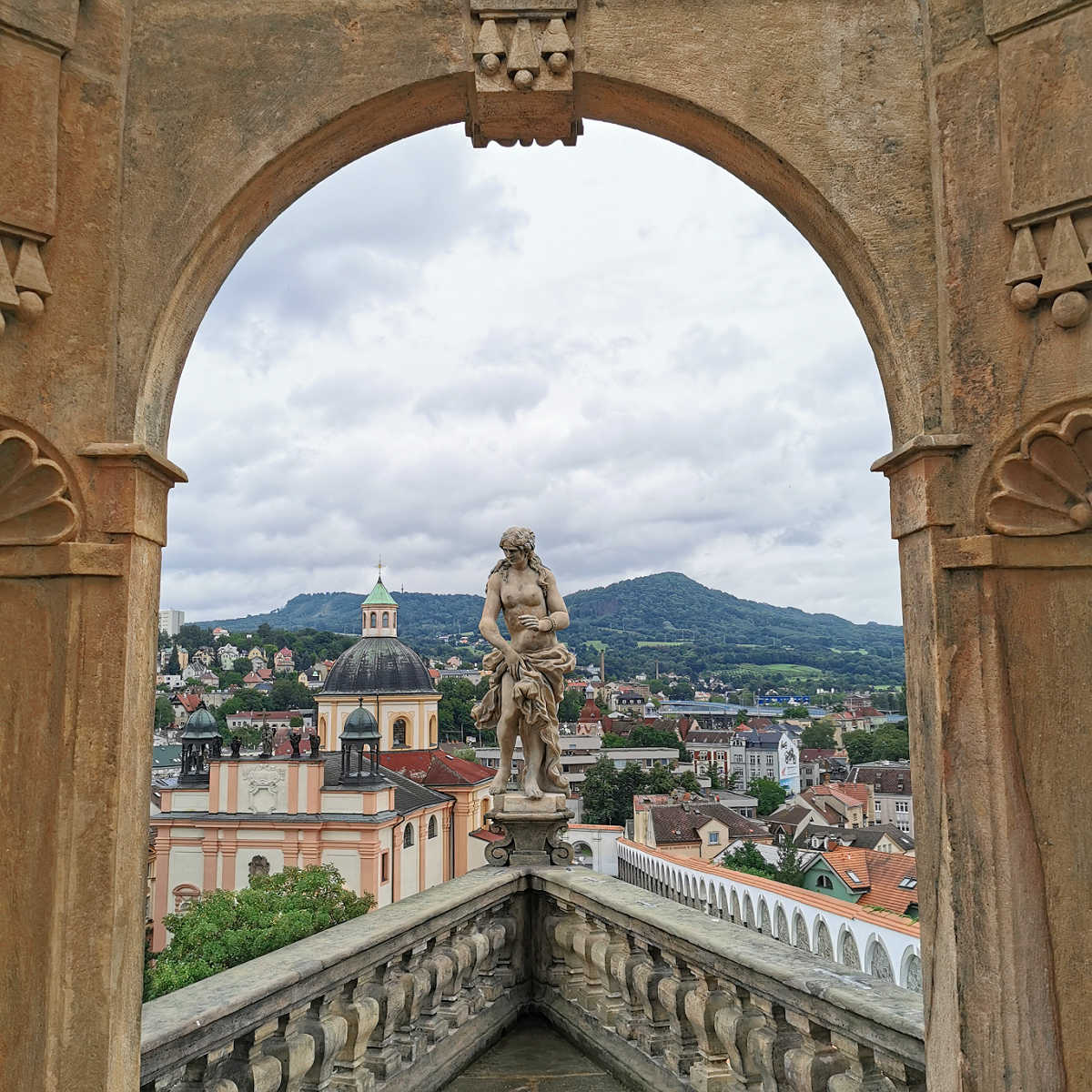
6. Děčín
Děčín is in the Elbe valley, close to the German border and it’s really two towns in one. Děčín on one side of the river and Podmokly on the other and whilst they merged in 1942 they still feel like two different towns.
The main train station is in old Podmokly. It’s a bit run down, but fascinating to walk around and see that nothing much has changed for years.
I saw a great exhibition about children toys in the local museum and on the way up to Děčín ZOO I found another beautifully restored synagogue. Next to the zoo is Pastýřská stěna, a rock wall with the best view of Děčín across the river.
On the other side of the river, I loved the newly restored Rose Garden at Děčín Castle. With its terraces and statues it makes you feel like you’re in Italy. I had a great tour guide when I visited the castle and the stories made the visit. Chopin stayed here in 1835 and he wrote a waltz during his visit.
- My local tip: Take a local bus back to the main train station from Decin. It’s quite a long walk and on a fairly busy road.
- How to get there from Prague: About 1 hour 30 minutes by direct train from Prague main station.
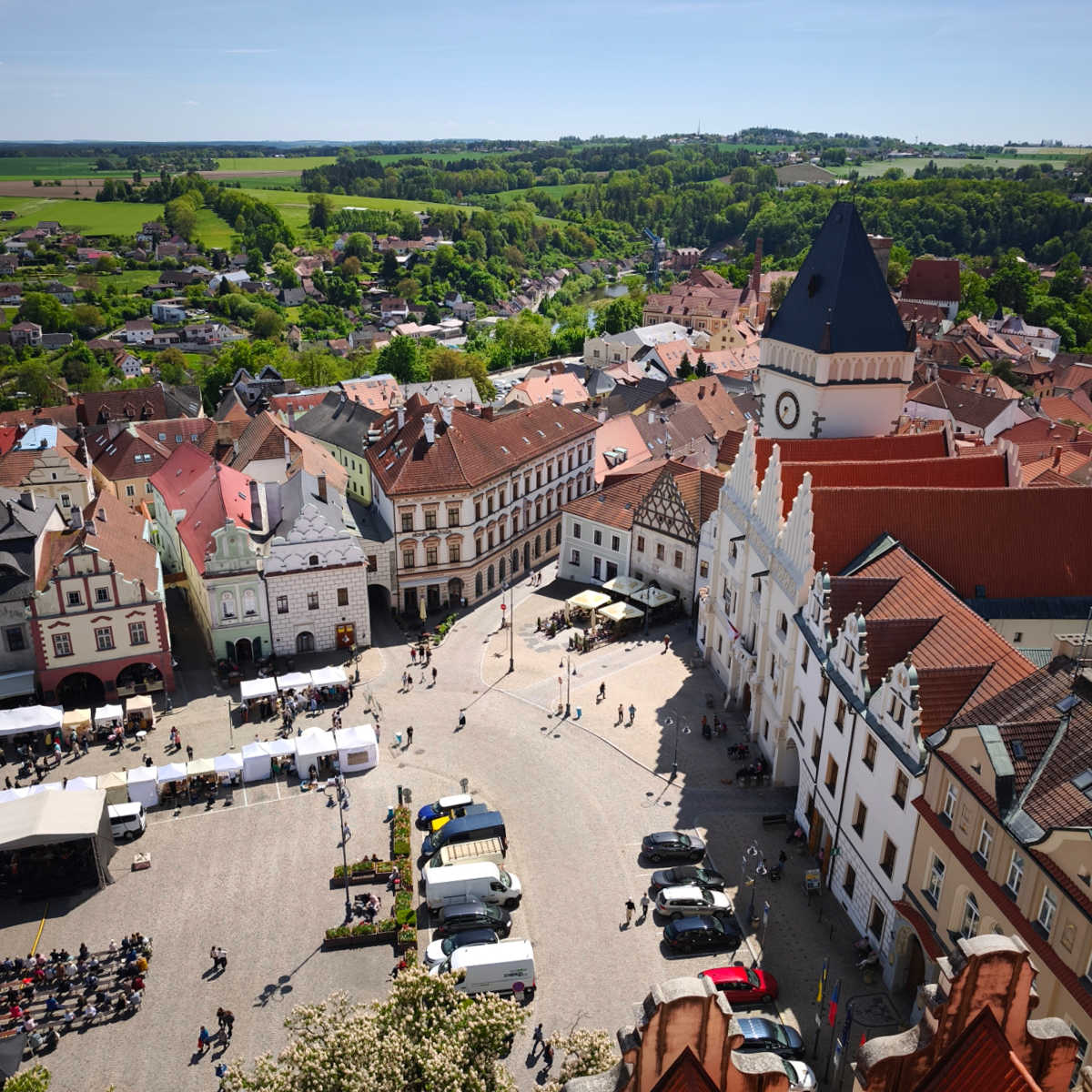
7. Tábor
Tábor was founded in 1420 by the Hussites, religious reformers who followed Jan Hus after he was burned at the stake. Led by Jan Žižka, the one-eyed general, they built the town as a fortress, and the narrow, winding streets were designed to confuse attackers.
That’s why I enjoy getting lost in the historic centre. Even I still take a wrong turn now and then.
Underneath the town there’s a network of interesting underground tunnels, used for storage and as shelters. There are guided tours, which are very informative, but also super cool to do.
I also loved the chocolate and marzipan museum. It’s a bit touristy, but also includes local chocolate history. They also make their own chocolates and there is a well stocked shop, which is great if you are travelling with kids.
- My local tip: Whenever I visit Tabor I always have to stop at Moccacafe (Prazska 232). They have the most amazing ice-creams, which won them lots of awards over the years. There are always several different flavours and you can see people queuing round the corner!
- How to get there from Prague: About 1 hour 15 minutes by direct train from Prague main station. The historic centre is a bit of an uphill hike from the train station, but there is a local bus if you prefer.
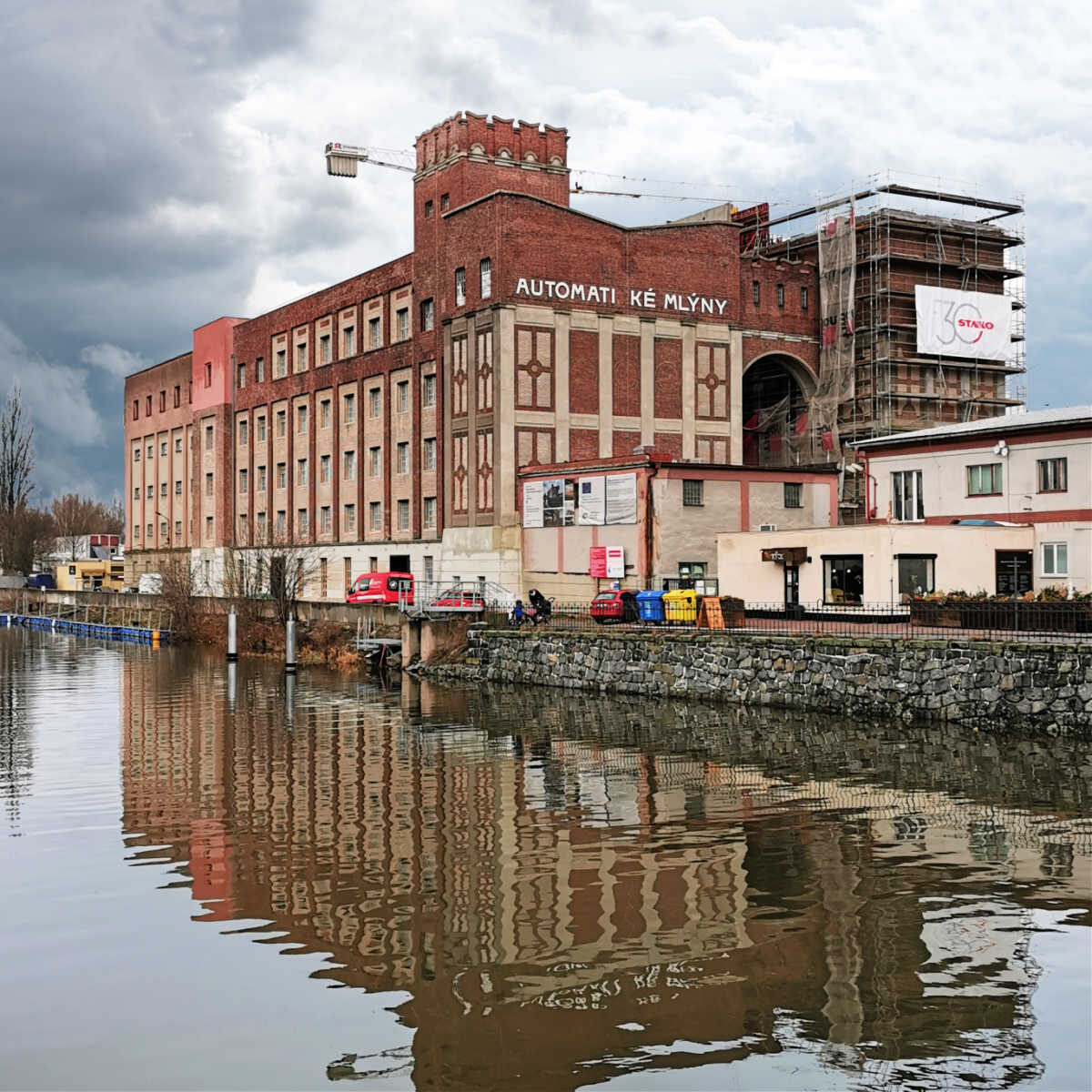
8. Pardubice
My uncle used to live here, so I always enjoyed visiting Pardubice to see my cousins. The Pernštejn family rebuilt the town in the 16th century and there are lots of pretty decorated houses around the main square and the Green Gate. Today the town is best known for gingerbread and the Velká Pardubická steeplechase, one of Europe’s toughest horse races.
Don’t miss the newly restored Winternitz Mills, designed by the famous Czech architect Josef Gočár. They’ve been turned into a gallery and creative space and there is also a lovely cafe.
I also enjoyed walking around the chateau grounds, which is now the East Bohemian Museum. I always check out any current exhibitions, because they are always well researched. Last time I was there I saw an exhibition about the local panel houses history with historic photos, maps and short films. There are also colourful peacocks wandering around the grounds and cute little goats!
Don’t miss the modern Machonova Arcade on the main Trida Miru, which is a beautiful shopping passage built in 1924 – 1925.
- My local tip: My favourite cafe is Bajer, which is beautifully set up as a traditional 19th century shop and a cafe. They have two locations, smaller one is at Zelenobranska 2 and much larger on the main Trida Miru 763.
- How to get there from Prague: About 1 hour by direct train from Prague main station.

9. Liberec
Liberec became rich town when the local textile industry become very successful in the 19th century. You can see so many grand buildings here, including the town hall from 1893, which looks a lot like Vienna’s!
I loved the town hall tour. My great uncle worked here as a roofer, so I was really happy to see the roof attic and walk between the top towers. The view from the tower is amazing. On a clear day you can see Ještěd, the TV tower on top of the mountain that has become the symbol of the town.
If you have more time, visit the ZOO, the oldest in Czech Republic and the botanical garden. I’ve visited Liberec many times, so had the time to visit them both, but if you are in the town for just one day, you might not have enough time.
In the same suburb of Liberec there is also Liberec Regional Gallery in a former spa building, the Lázně, Technical museum and regional museum, which all all great places to spend a rainy day.
- My local tip: The cafe (Jedno v Palaci) is in newly restored Liebieg Palace (now an art gallery), but you have to walk behind the building to get to it. You can sit in a pretty garden or inside the palace cafe, which has high ceilings and serves fabulous coffee.
- How to get there from Prague: Liberec is very easy to get to from Prague by bus, it’s about 1 hour 10 minutes from Prague Černý Most.
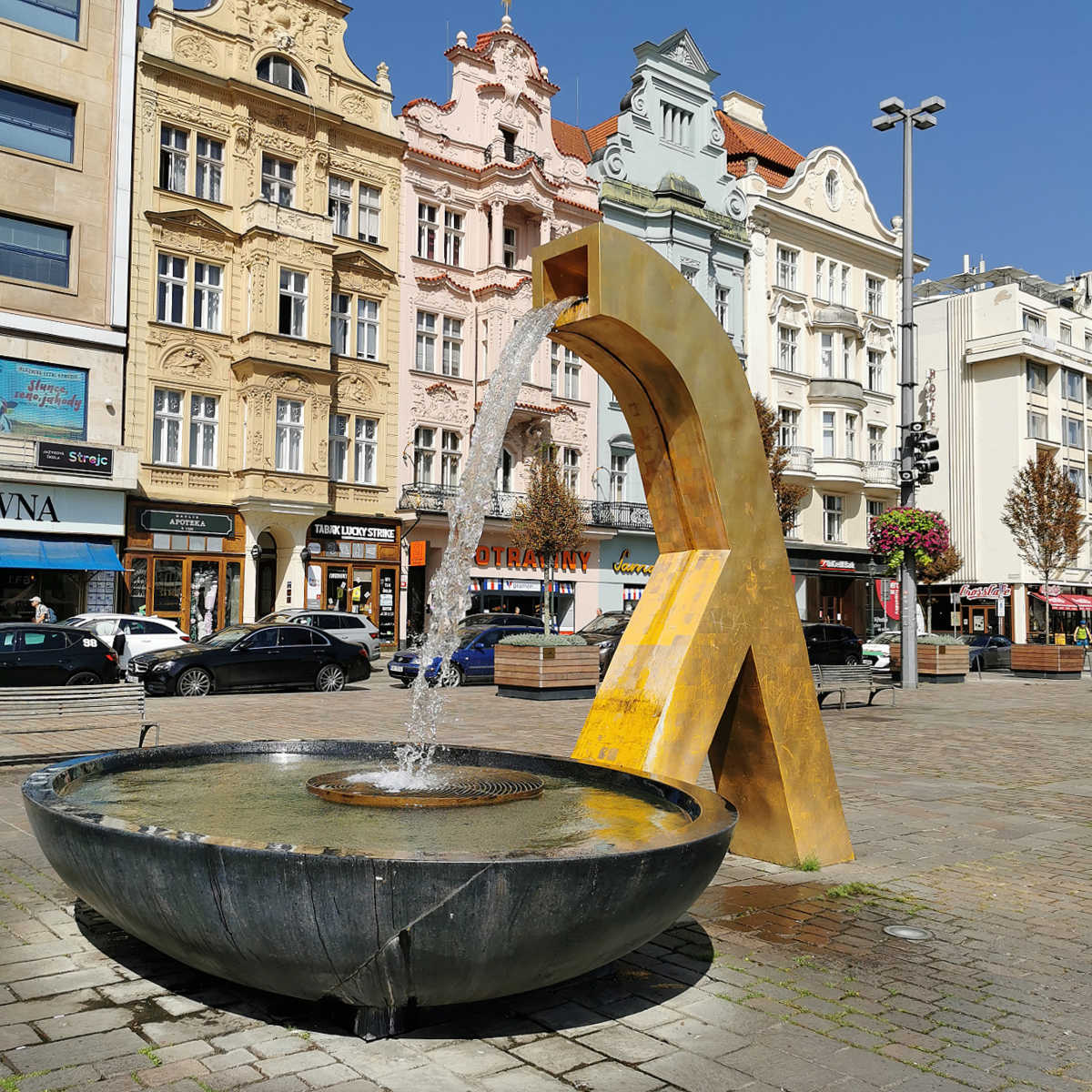
10. Plzeň
Plzeň was founded in 1295 by King Wenceslas II, but it’s world famous for something much newer. In 1842, the Bavarian brewer Josef Groll brewed the first Pilsner lager here and the style spread across the globe. In May 1945, the American army liberated the town and the Liberation Festival is still celebrated every year.
I enjoyed the Pilsner Urquell brewery tour, and I loved the tastings, especially the unfiltered beer straight from the barrels in the cellars.
The views from the tower of St Bartholomew’s Cathedral on the main square are great. At 102 metres it’s the tallest church tower in Czech Republic, so be ready for a climb.
The Great Synagogue is the second largest in Europe. It’s been well preserved and still used by the local Jewish community, which is pretty amazing.
- My local tip: The historic underground tour takes you under Plzen medieval houses, there are some narrow passages, but the guides are great and you get a beer at the end!
- How to get there from Prague: About 1 hour 10 minutes by direct train from Prague main station.
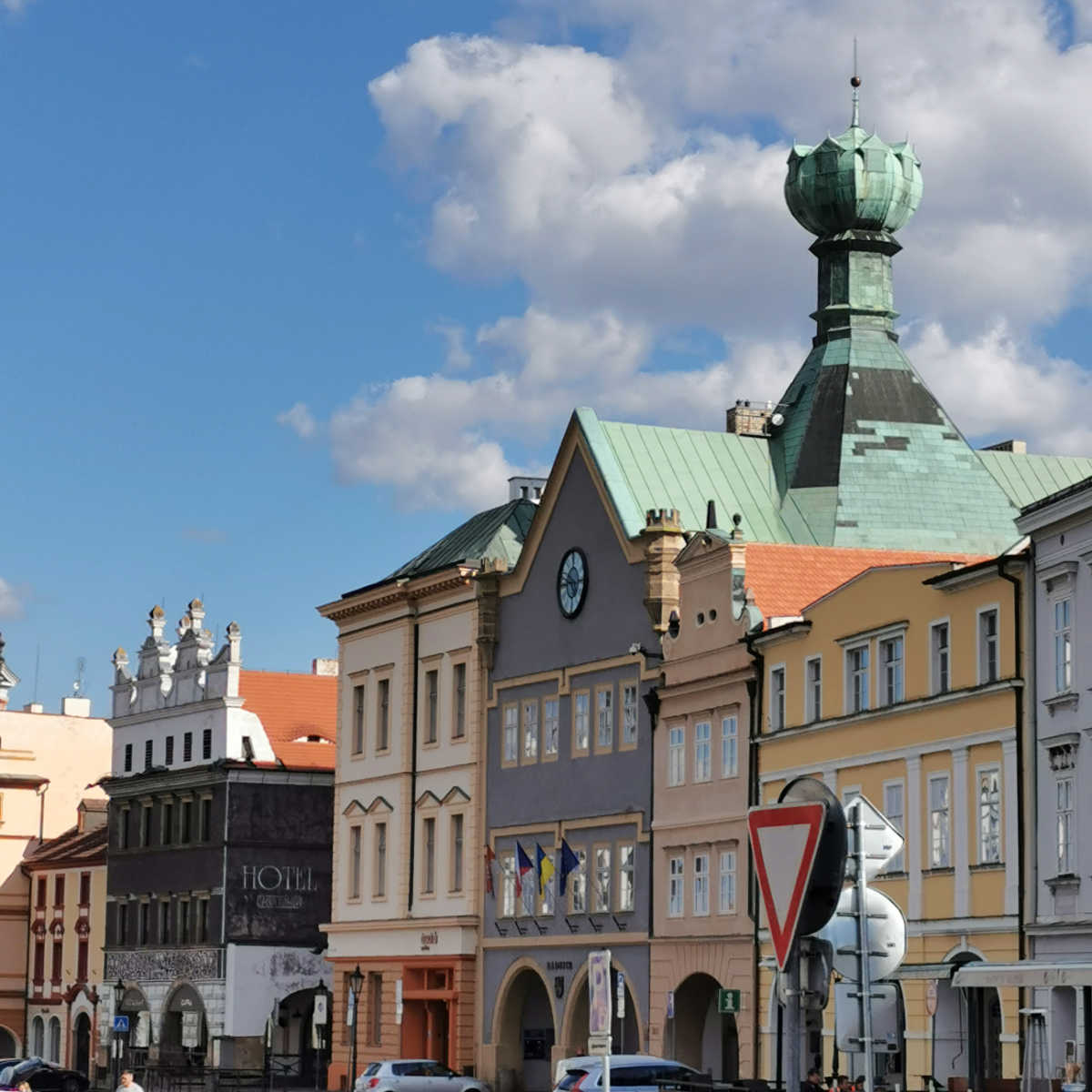
11. Litoměřice
I was really surprised by how lovely Litoměřice looks. It’s one of the oldest towns in the country, and it’s been the seat of a bishop since 1655, which explains all the beautiful churches. The area around it is called the Garden of Bohemia, because of all the orchards and vineyards.
On the main square, I loved the house with the tulip-shaped tower called Kalich (Dum pod Bani), which you can visit inside. It’s quirky and one of a kind. The cathedral of St Stephen is on a hill above the town, and the views from up there are great.
I also followed the dismantled railway track around the town, and along the way I found a lovely train café (Kava s parou) which is in and old railway station. There is a lovely model of Litomerice town in front of it and you can still see the closed up train tunnel across the street.
Karel Hynek Mácha, the Romantic poet who wrote Máj, our most famous poem, lived and died here in 1836.
- My local tip: On the way to the St. Stephen’s cathedral I found this amazing local coffee roastery called Valchiria (Michalska 19) and I got freshly ground coffee to take home with me. Best souvenir ever!
- How to get there from Prague: About 1 hour by direct bus from Prague Holešovice (there is a train connection but it takes longer)
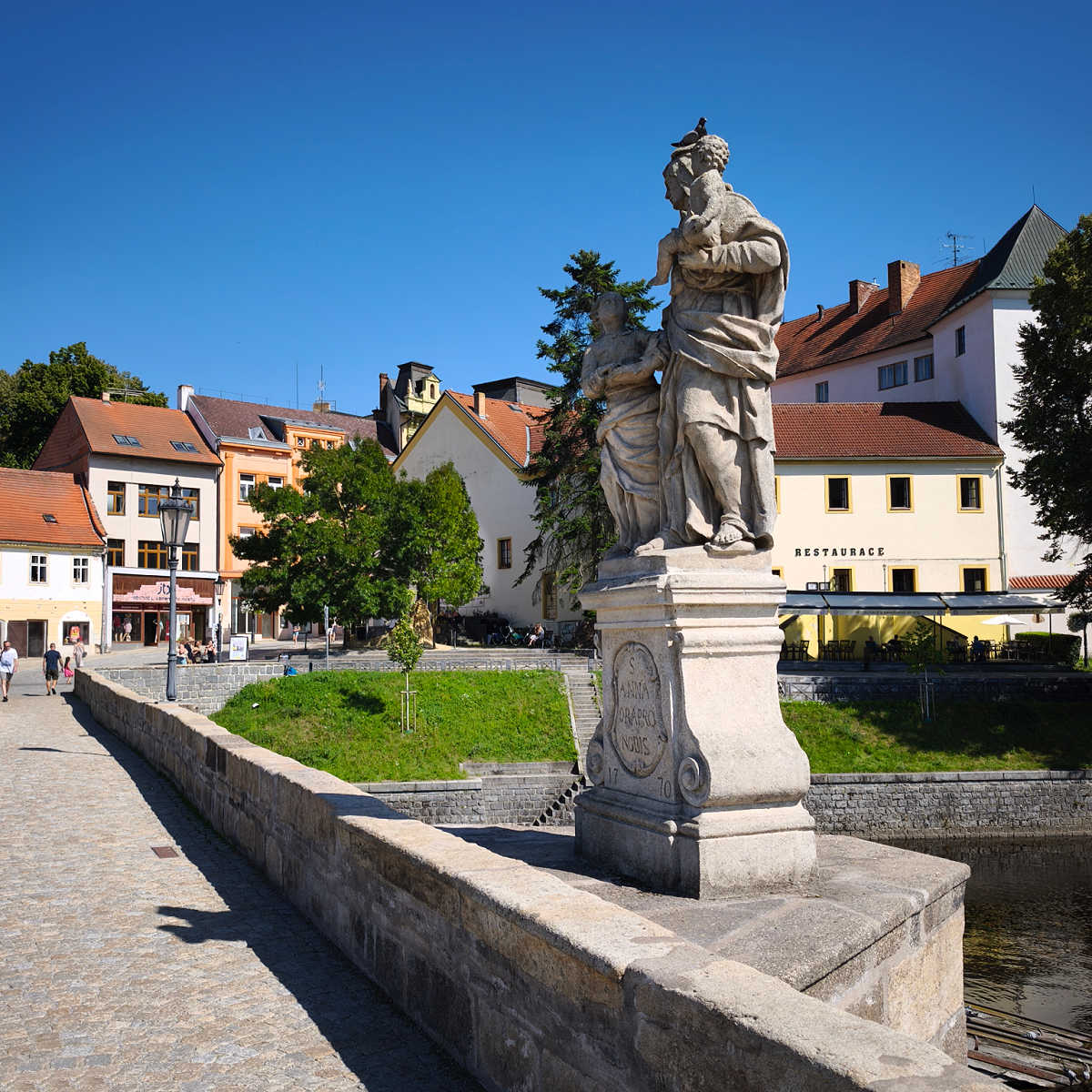
12. Písek
Písek’s Stone Bridge is the oldest surviving bridge in Czech Republic, built in the late 13th century, before Charles Bridge in Prague. It’s a lot shorter and more modest, than the Prague one, but it still feel very special and without the crowds!
The town got its name from the sand (písek) of the Otava River, which was once panned for gold. I enjoyed walking along the riverside, it’s perfect any time of the year, but especially in summer when the paths are green and you get nice shade.
It’s a calm and friendly town rather than a place packed with sights, but there is still plenty to see. I visited the local museum, which is in an old castle and I think, that was worth it just for the building itself.
- My local tip: Come in summer and walk along the Otava in both directions from the Stone Bridge. I loved the Town’s Island with old fashioned wooden restaurant, where you can have a homemade lemonade in a shade of trees.
- How to get there from Prague: About 1 hour 20 minutes by direct bus from Prague Na Knížecí.
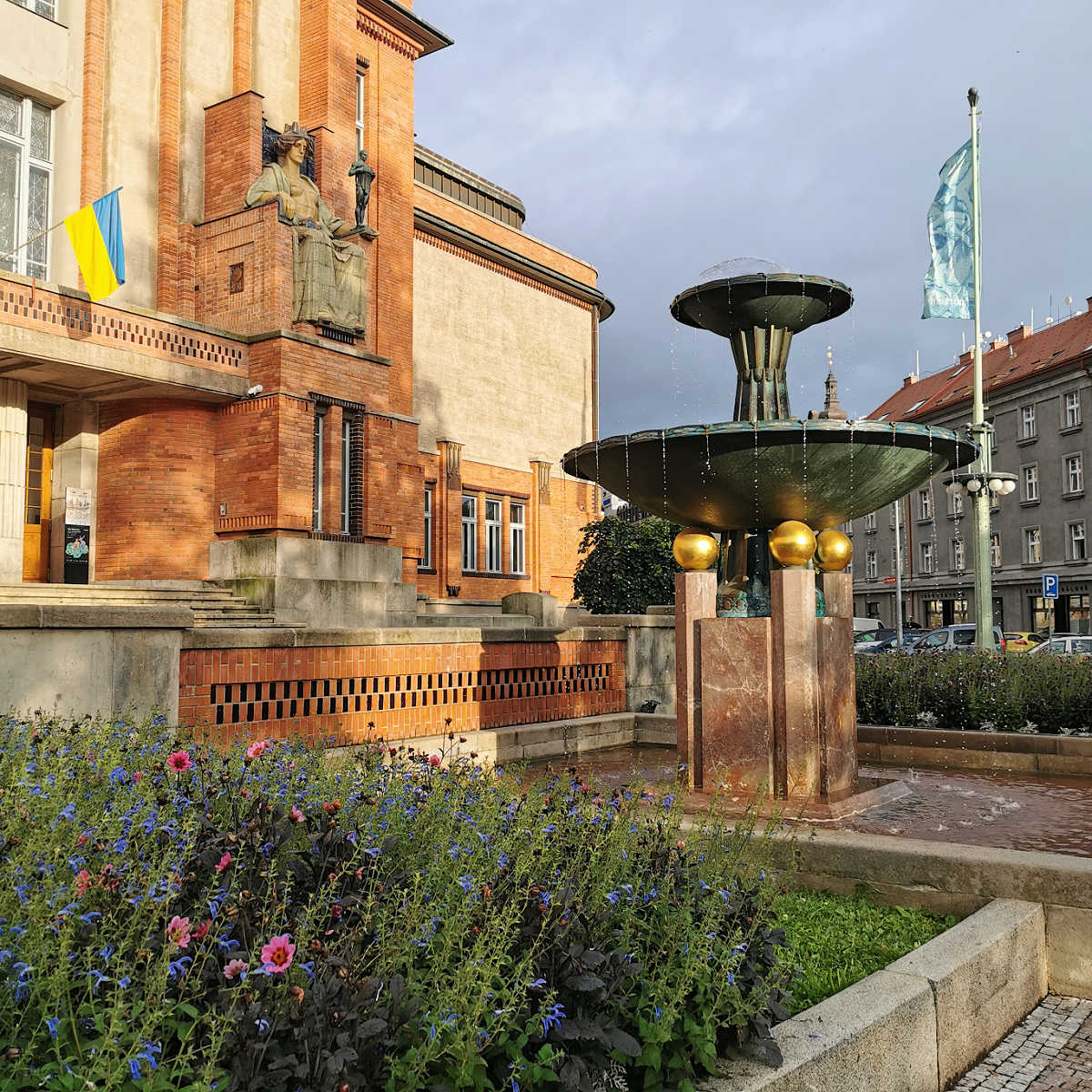
13. Hradec Králové
Hradec Králové was once a dowry town for Bohemian queens, which is where the name comes from (králové means belonging to the king or a queen). In 1866, one of the biggest battles of the Austro-Prussian War was fought nearby.
In the early 20th century, the architects Jan Kotěra and Josef Gočár redesigned much of it and it was nicknamed the “salon of the republic”. If you walk from the train station to the centre you’ll see quite a lot of these buildings including the impressive building of the East Bohemian Museum.
I liked climbing the White Tower on the main square. The view from the top is great, with the Gothic and baroque old town on one side and the modern city on the other.
I also visited the Gallery of Modern Art, in a former bank building from 1912 on the main square. The decor inside is amazing and the collection of Czech art is excellent.
- My local tip: Don’t miss the Greek Catholic Church of Saint Nicholas in Jiraskovy Sady. It’s wooden church saved from a village in Slovak Republic in 1935.
- How to get there from Prague: About 1 hour 15 minutes by direct train from Prague Main Train Station.

14. Jičín
Jičín owes much of its look to Albrecht von Wallenstein, the powerful general of the Thirty Years’ War. He wanted to make it the capital of his duchy and started rebuilding the town in grand style, until he was murdered in 1634. His plans never fully came true, but what’s left is beautiful.
I loved the historic centre, with its arcaded square and the tall Valdická Gate. From the town I walked to the Wallenstein Lodge along the 2 km avenue lined with trees. It’s a lovely, easy walk and the lodge and its gardens are so pretty.
Jičín is also very close to Bohemian Paradise. I had enough time to visit Prachov Rocks in the morning, with its sandstone towers and viewpoints ( I took a local bus from Jicin to save time) and then explored the town in the afternoon.
- My local tip: Don’t miss the local Jewish synagogue, which was recently beautifully restored and opened to public ( Zidovska 103).
- How to get there from Prague: About 1 hour 20 minutes by direct bus from Prague Černý Most.
15. Příbram
Příbram isn’t the prettiest town on this list, but it’s one of the most interesting ones. Silver was mined here for centuries and after the Second World War, uranium! Some of the mines were worked by political prisoners in the 1950s, a dark chapter that’s still remembered here.
I loved visiting the Mining Museum in Březové Hory, which is also the largest mining museum in the country. You can go underground and ride the mine train and it’s fascinating to see how hard the work really was.
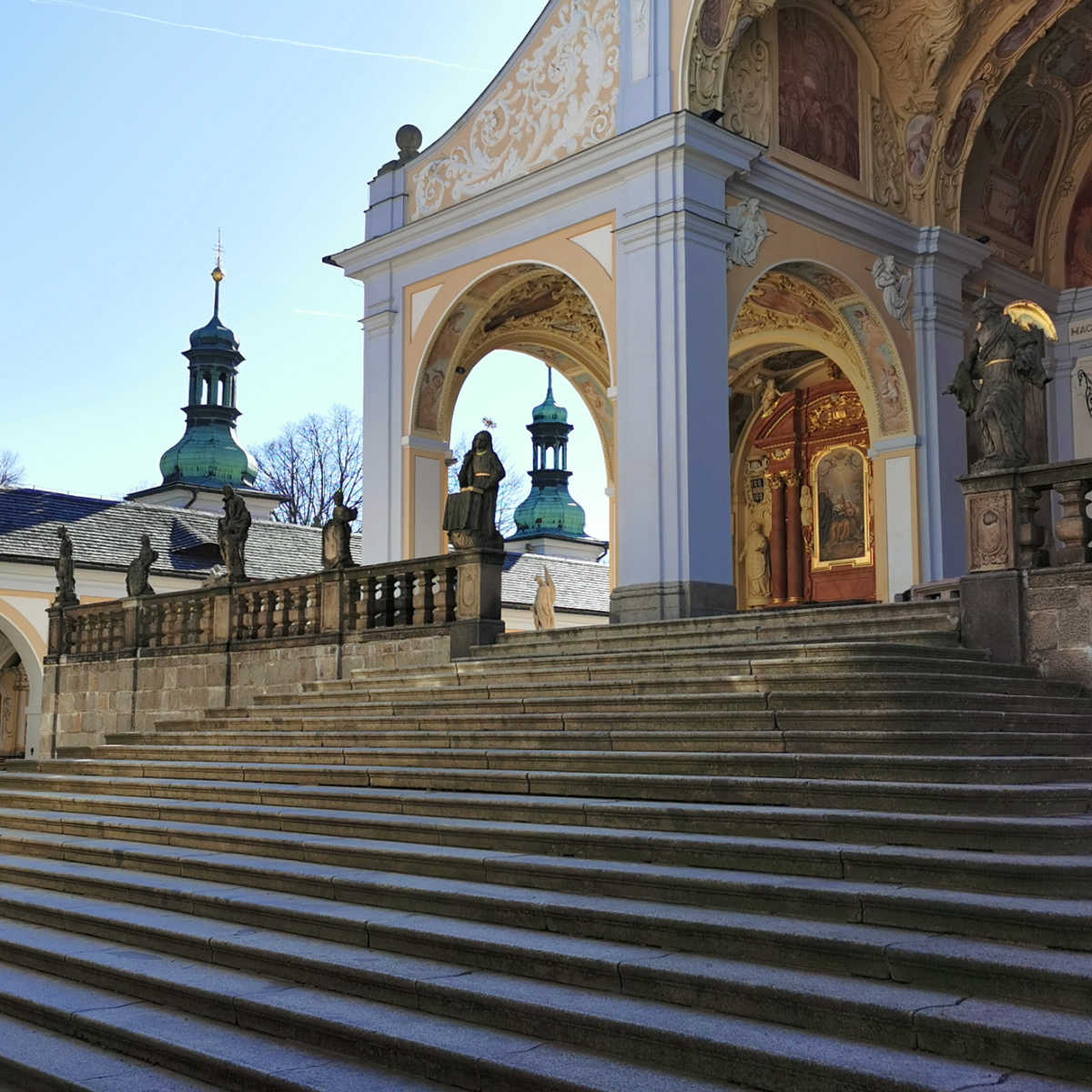
I also visited Svatá Hora, a baroque pilgrimage site on a hill above the town. I walked up from the centre of the town using the covered stairs, which is special long roofed staircase from the 18th century. The stairs are quite shallow, because people used to walk up on their knees! The church complex at the top is beautiful with large church and chapels all around.
- My local tip: Take the covered stairs up to Svatá Hora rather than the road. It’s a lovely, slightly strange experience and very peaceful.
- How to get there from Prague: About 1 hour by direct bus from Prague Smíchov.
16. Roudnice nad Labem
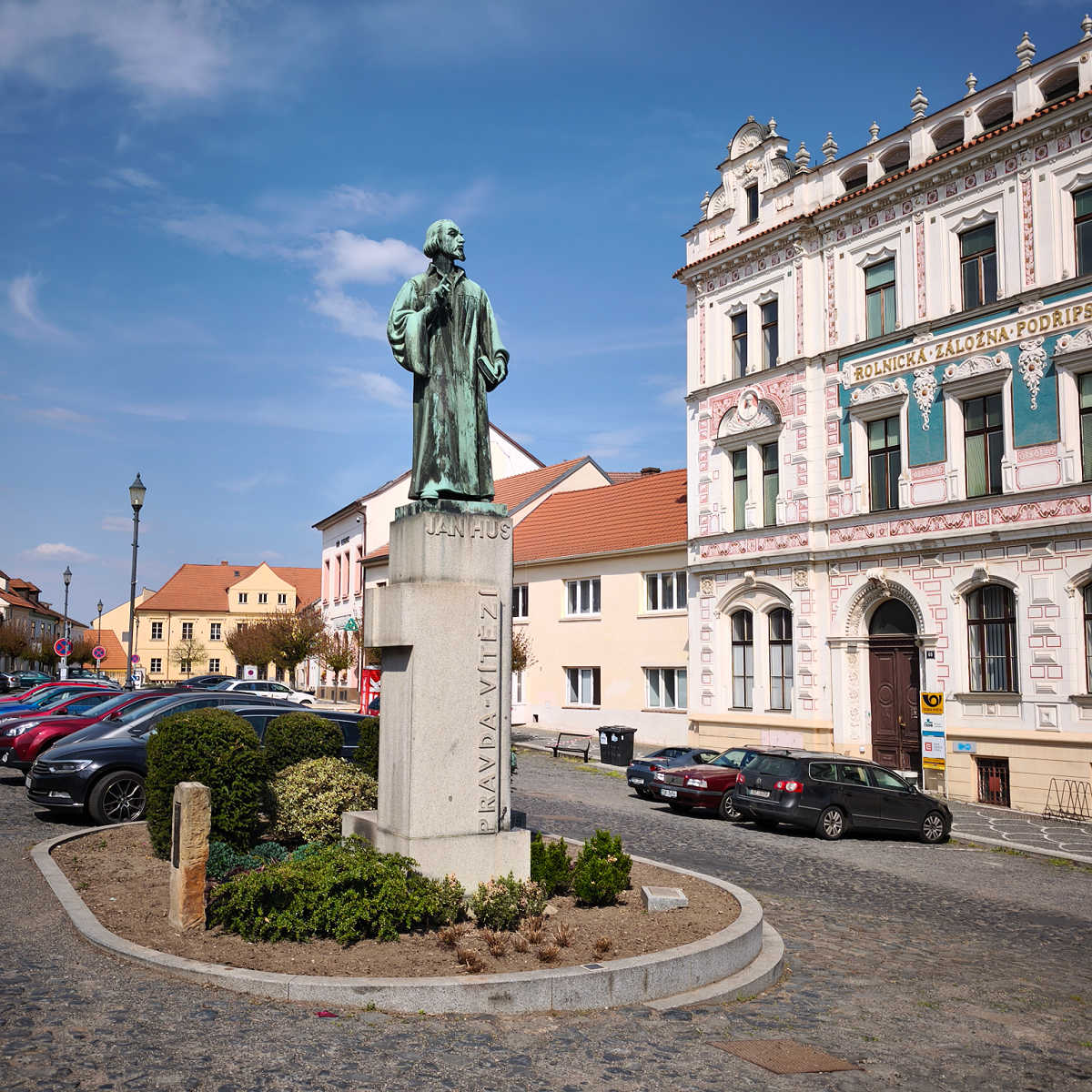
Roudnice is a quiet riverside town and most people use it only as a stop on the way to Říp mountain. I think, that’s a mistake, because the town itself is lovely in a sort of understated kind of way. The Lobkowicz family owned the large chateau above the river and you can see their influence everywhere.
I’ve been recently researching more about the Jewish history in Czech Republic, so I first headed up to the Jewish cemetery. You’ll walk through the former Jewish quarter. It’s easy to imagine how it looked while back, simply because not a lot has changed.
I didn’t have the time to take the tour of the chateau, but I bought some wine from the Lobkowicz vineyard shop, which was a great souvenir to take home.
Then I walked to Říp, the hill where, according to legend, Forefather Čech stood and decided this land would be home for his people. At the top there’s a small Romanesque rotunda from the 12th century. Apparently every Czech should climb Říp at least once in their life, so I’m glad I did!
- My local tip: Visit the Augustine Monastery where you can see the main church, the presbytery and also quite unexpectedly underground lake!
- How to get there from Prague: Around 45 minutes by direct train from Prague main station.
This blog post was originally written on 11 November 2026 and last updated on 11 November 2026